





Children's clothing is becoming more intentional. Parents today are paying closer attention not only to how clothing looks, but to what it is made from — and the research increasingly backs up what many already felt instinctively. Natural fabrics like 100% cotton and linen breathe better, last longer, and feel gentler on children's sensitive skin than any synthetic alternative.
At Mi Regalia, every piece in our collection is made from natural fabrics: 100% cotton, linen, linen-Tencel blends, and cotton-lace combinations. This isn't a trend positioning — it's a design commitment. Natural fabrics are more comfortable for children, more durable across repeated washing, and more aligned with the heirloom philosophy that defines everything we make.
This guide explains why natural fabrics matter, what the key differences are between materials, and which pieces in the Mi Regalia collection are made from each.
Why Natural Fabrics Matter More for Children Than Adults
Material choice is only half the sustainability story — see Sustainability in Designer Baby Clothes: Ethical Choices for Modern Parents for the ethical-sourcing side.
Children's skin is structurally different from adult skin. It is thinner, absorbs more from external contact, regulates temperature less efficiently, and is more prone to irritation from rough or heat-trapping materials. This makes fabric selection a meaningful parenting decision — not an aesthetic one.
Natural fibers allow air to circulate and moisture to evaporate. They don't trap heat against the skin. They feel soft in a way that synthetic alternatives can approximate but never fully replicate. And for children who spend hours in the same outfit — playing, eating, napping, being held — these differences compound throughout the day.
The Key Natural Fabrics in Luxury Children's Clothing
100% Cotton
The foundational fabric of children's clothing for good reason. 100% cotton is fully breathable, naturally soft, temperature-regulating, hypoallergenic, and durable. It becomes softer with every wash while maintaining its structure — which is why heirloom-quality cotton pieces can be passed from one sibling to the next without losing their beauty or integrity.
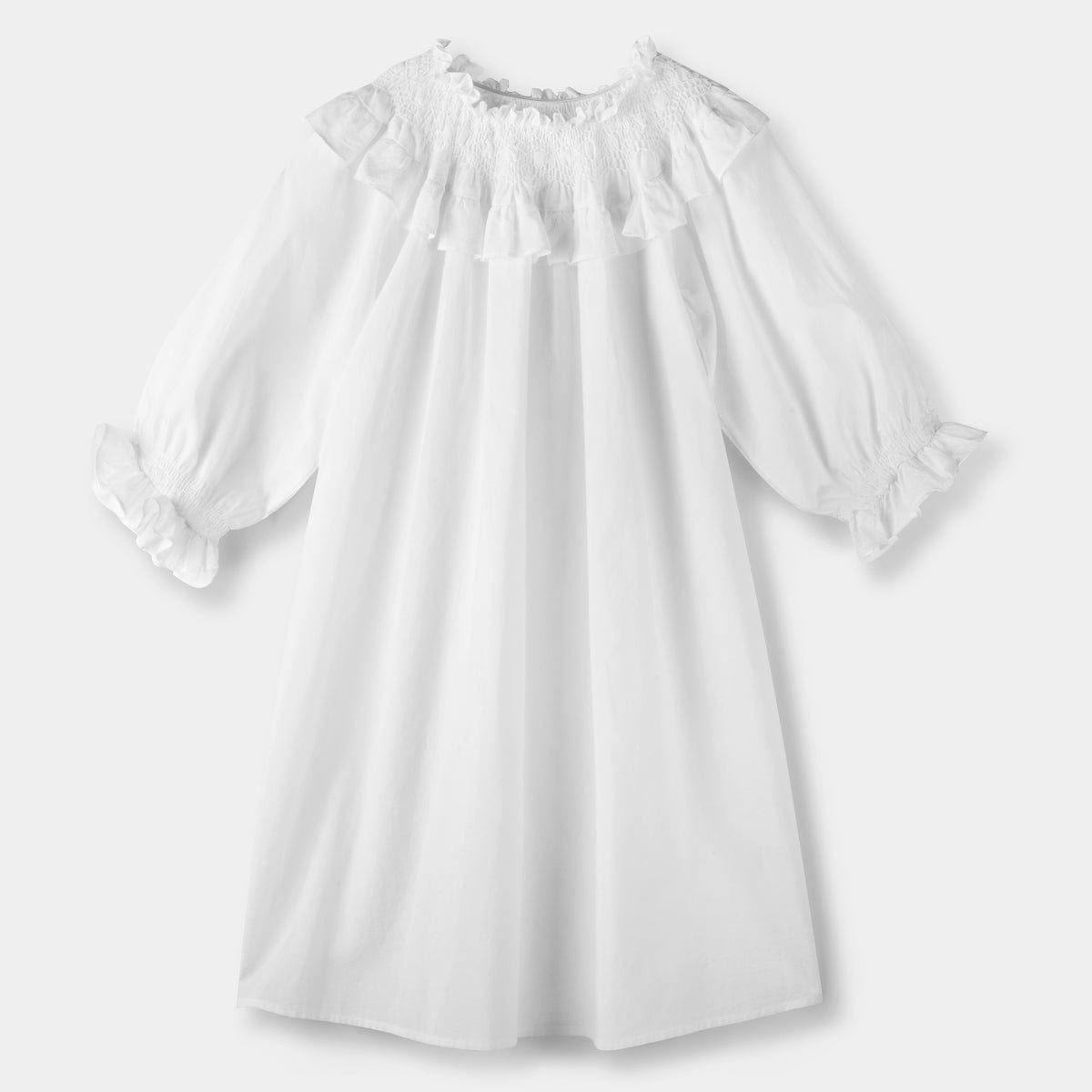
Mi Regalia's Betty Cotton Loungewear Dress ($95) is built on ring-spun 100% cotton — a tighter weave that produces an exceptionally soft hand feel while adding durability. It is our most-sold piece and the most requested in reviews.
Linen
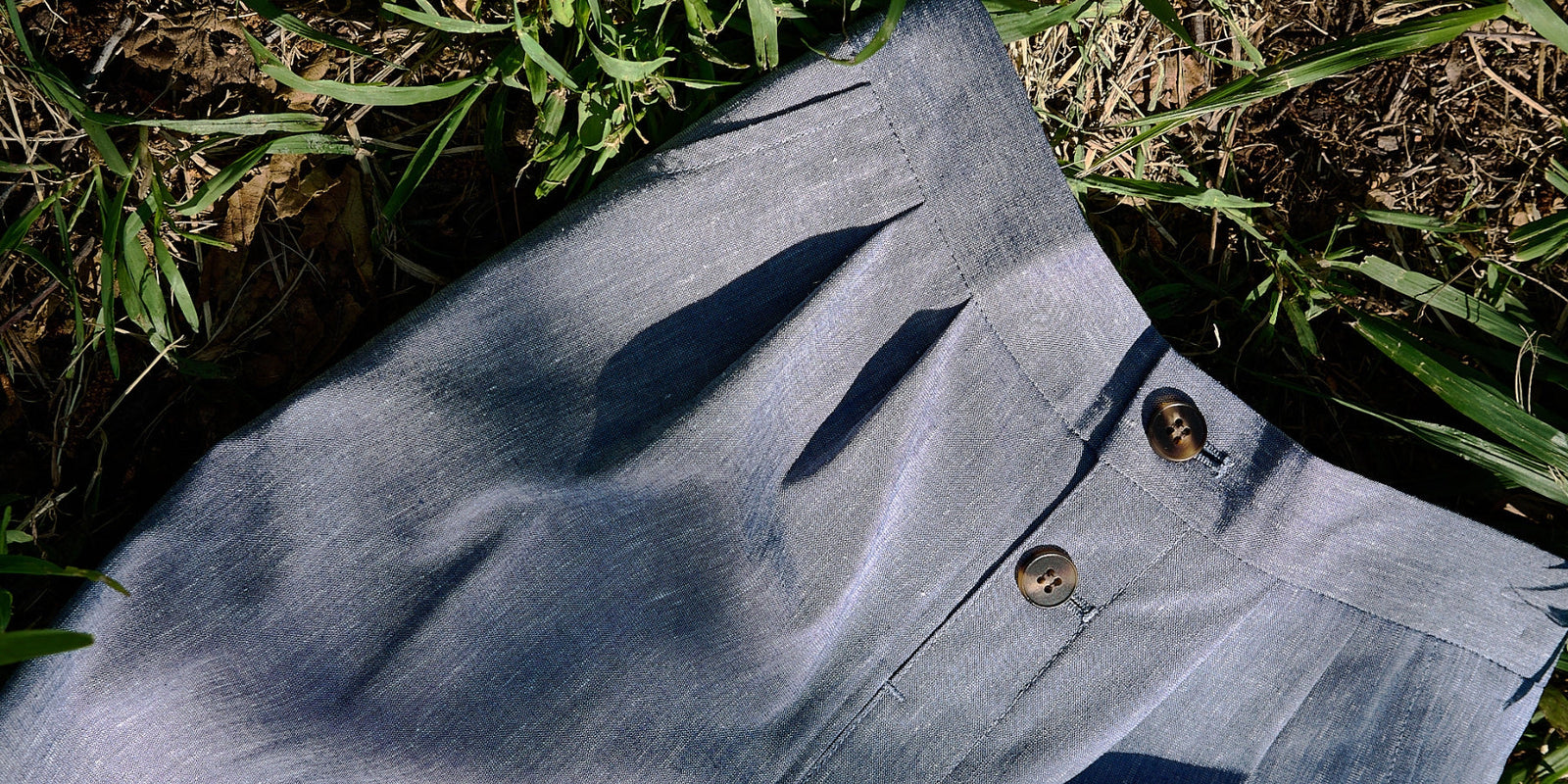
Linen is technically more breathable than cotton. Its natural fiber structure allows heat to release faster and moisture to evaporate more efficiently — making it the ideal fabric for warm weather, outdoor events, and active children who run warm. Linen also carries an inherent elegance: its natural texture drapes beautifully and photographs in a way no synthetic can.
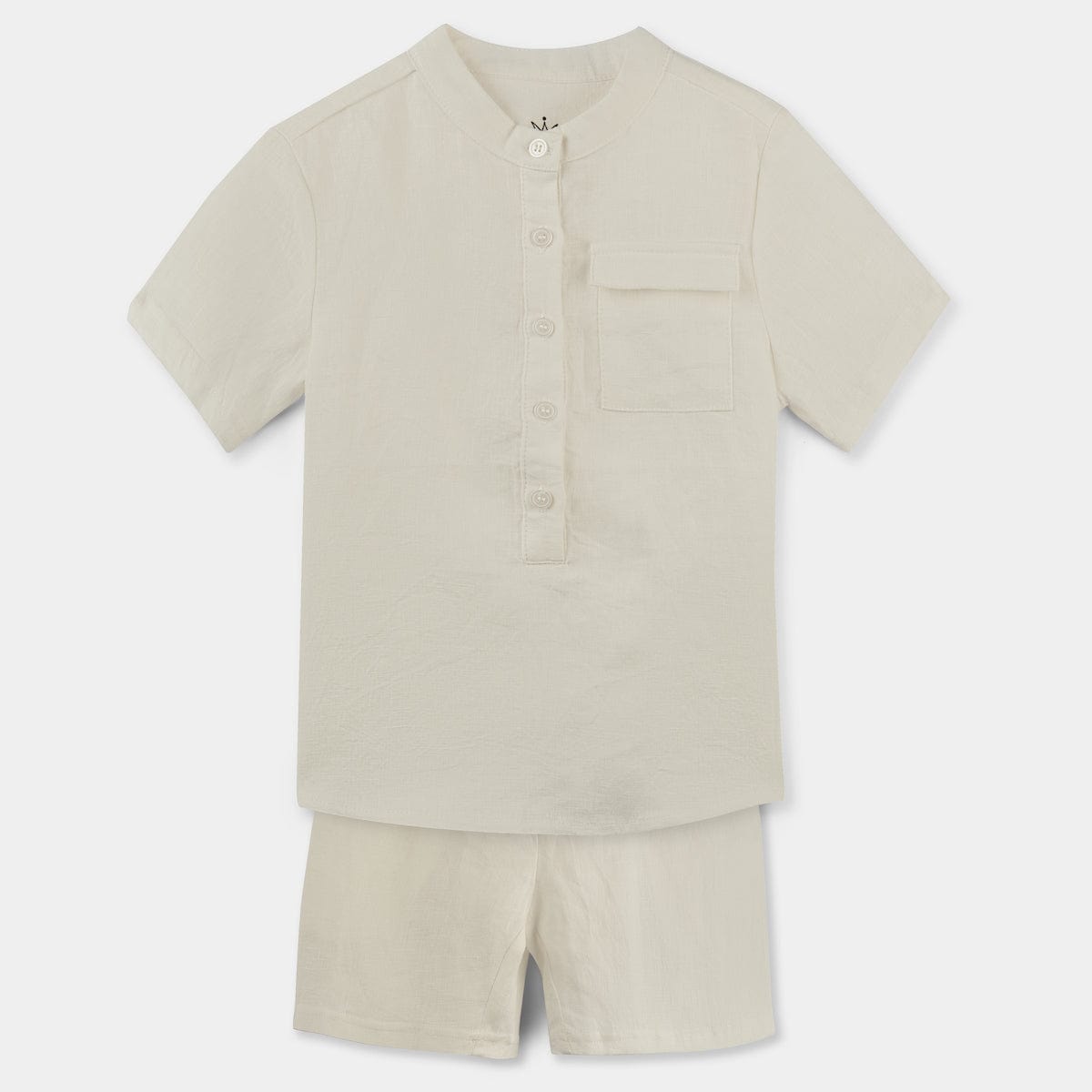
The Dewey and Dylan Linen Sets ($85) and the Rhett and Oliver Linen Shirts ($85) represent Mi Regalia's core linen offering — coordinated, breathable, and seasonlessly elegant.
Tencel (Lyocell)
Tencel is a semi-synthetic fiber made from sustainably sourced wood pulp. It is silky to the touch, moisture-wicking, and hypoallergenic. When blended with linen, it adds drape and softness while maintaining linen's breathability. Mi Regalia uses linen-Tencel blends in select pieces where a softer hand feel is prioritized alongside structure.
Cotton Lace & Tulle
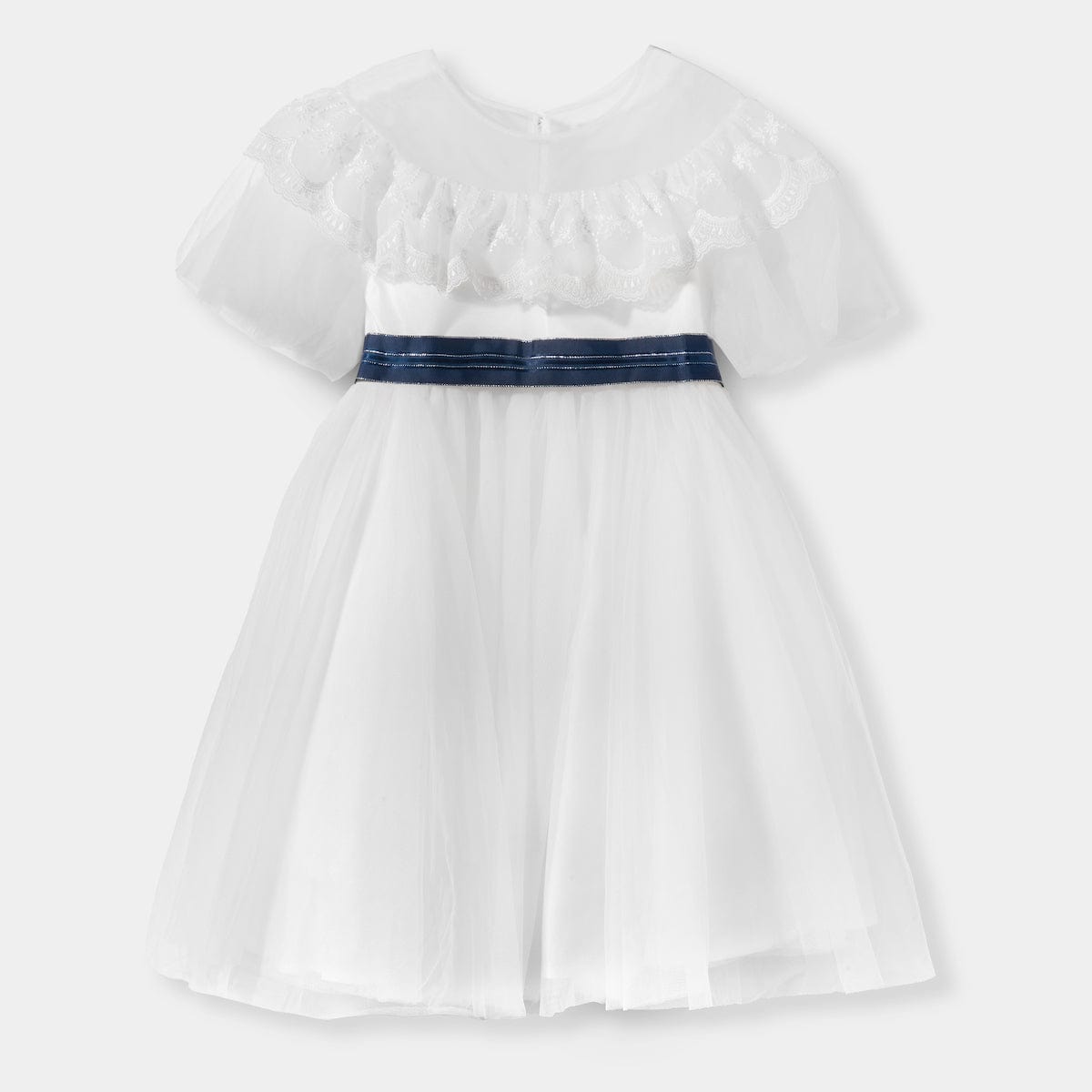
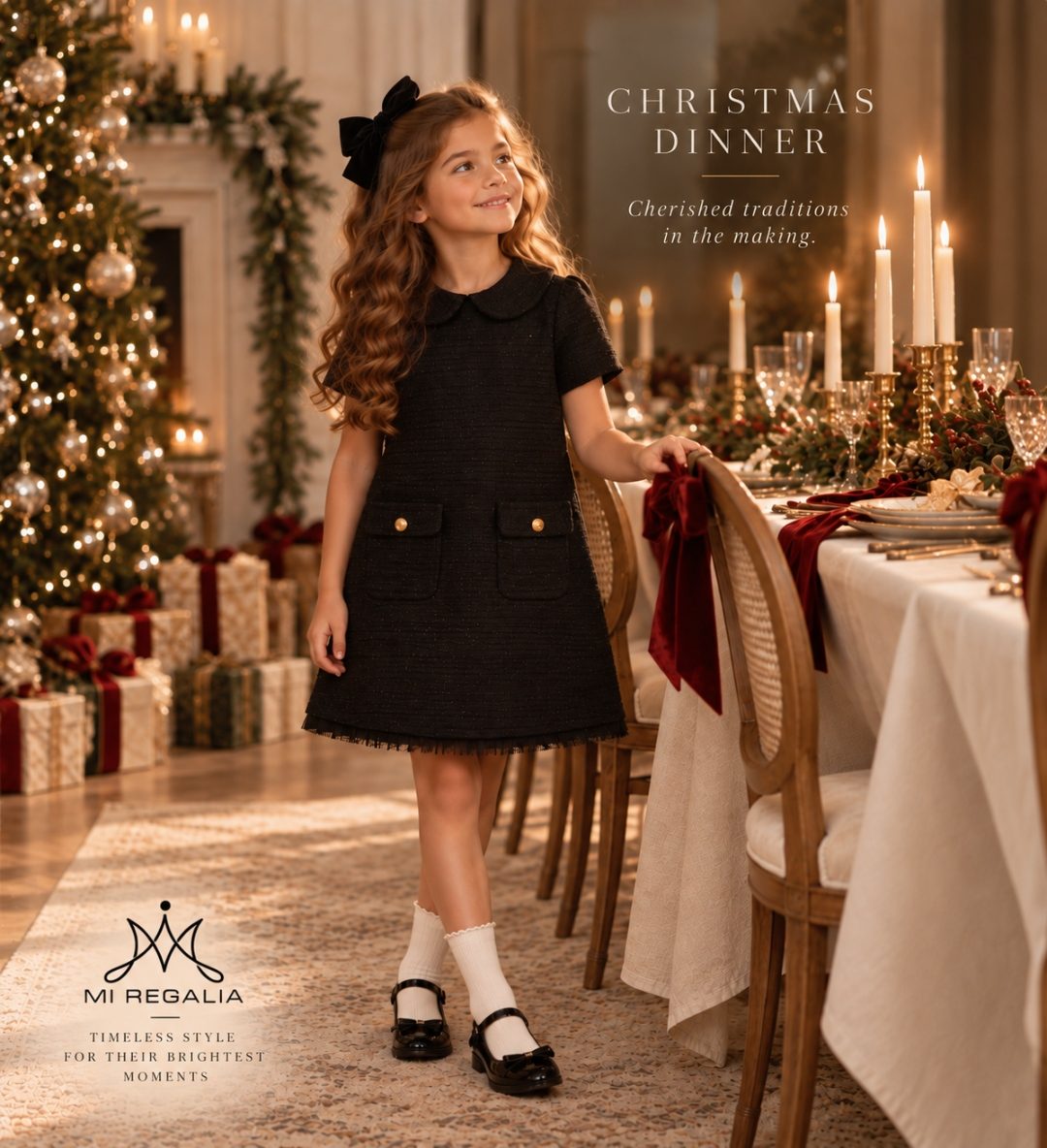
Our occasion pieces — including the Viola and Alice Tulle Dresses ($110–$115) and the Colette Tweed Dress ($110) — use cotton-base construction with lace and tulle layering for special occasion wear. Natural fiber base layers ensure comfort throughout long events.
→ Shop Mi Regalia's Natural Fabric Collection at miregalia.com
Why Linen for Kids' Clothing Is Growing 30%+ by 2026
Linen-based children's clothing is projected to grow more than 30% by 2026, driven by eco-conscious parenting trends, growing awareness of synthetic fabric limitations, and the rising demand for heirloom-quality children's clothing that lasts beyond one season. Parents who have invested in linen for their own wardrobes are now extending that preference to their children's.
Mi Regalia's linen collection is designed to meet this demand with pieces that work across seasons, occasions, and ages — the kind of clothing that gets purchased once and worn two hundred times.
Natural Fabrics vs. Synthetic: What Parents Need to Know
-
Breathability: Cotton and linen allow full airflow. Polyester and nylon trap heat and moisture.
-
Skin safety: Natural fibers are hypoallergenic. Many synthetic fabrics contain chemical finishes that may irritate sensitive skin.
-
Durability: High-quality cotton and linen last years with proper care. Synthetic basics often degrade within a season.
-
Environmental impact: Natural fibers biodegrade. Synthetic fabrics shed microplastics with every wash cycle.
-
Cost-per-wear: A $95 Mi Regalia cotton piece worn 200 times costs less per wear than a $20 synthetic piece worn 20 times.
Building a Natural Fabric Children's Wardrobe
A natural fabric children's wardrobe doesn't require dozens of pieces. A well-chosen collection of 6–8 natural fiber garments covers the full week across most seasons. The key is selecting versatile pieces in durable fabrics that wash well and transition between occasions.
A strong Mi Regalia natural fabric wardrobe for a toddler girl might include:
-
Betty Cotton Loungewear Dress (2) — daily wear and sleep
-
Dylan Linen Set — outings, errands, and casual gatherings
-
Viola Tulle Dress — birthdays, holidays, and portrait sessions
-
One lightweight cotton layer piece for cooler mornings
Frequently Asked Questions: Natural Fabrics for Kids
Q: What is the best natural fabric for children's clothing?
A: 100% cotton is the best all-around natural fabric for children's clothing — breathable, soft, durable, and hypoallergenic. For warm weather and summer, linen and linen-Tencel blends are excellent alternatives with superior breathability. Both are far better choices for daily wear than any synthetic fabric.
Q: Is organic cotton better than regular cotton for kids?
A: Organic cotton is grown without certain synthetic pesticides and is often associated with a softer hand feel and lower chemical exposure. For children with eczema or highly sensitive skin, organic cotton is the preferred choice. Standard 100% cotton from reputable manufacturers is still significantly better than synthetic alternatives.
Q: Is linen too rough for children's skin?
A: High-quality linen softens significantly with washing. Raw or low-quality linen can feel stiff initially, but premium linen used in garments like the Mi Regalia Dewey and Dylan sets is soft enough for direct skin contact from day one and improves with every wash.
Q: Are natural fabrics worth the higher price in kids' clothing?
A: Yes — when measured by cost-per-wear. A $85–$95 natural fabric piece from Mi Regalia that lasts 3–4 years and can be passed to a sibling costs far less per wearing than a $20 synthetic piece that degrades within one season. Quality natural fabric clothing is also frequently sold secondhand at strong resale value.
Q: What natural fabrics are best for kids with sensitive skin or eczema?
A: 100% cotton is the most widely recommended fabric by dermatologists for children with eczema and sensitive skin. It's non-irritating, breathable, and hypoallergenic. Tencel (lyocell) is an excellent second choice — equally soft and moisture-wicking.